Meal plans & recipes
Food that keeps up
Six ways of eating, each written out as a full week with real quantities, and one prep schedule that makes all six of them survive a working Wednesday. Every track has a budget version, because a plan you cannot afford is not a plan.
The prep schedule
Sunday and Wednesday
Almost everyone who quits meal prep quits for the same two reasons: one enormous Sunday that swallows the afternoon, and food that tastes tired by Thursday. Splitting the week into a long session and a short one fixes both, and it is not a preference — it falls out of how long cooked food actually keeps.
The long cook. One pot that improves overnight, one tray of protein, one carbohydrate base, and everything portioned before you sit down.
- 0:00Oven to 425F. Protein trays seasoned and in as soon as it is hot.
- 0:10Big pot on the stove: the chili, dal or stew for the week.
- 0:25Rice or potatoes started. Set a timer rather than watching them.
- 0:40Chop the raw things — slaw, salad, anything that goes in cold.
- 0:55Trays out, rested ten minutes, then portioned.
- 1:10Pot off. Cool it fast in a shallow tray, not deep in the pot.
- 1:25Label with the date. Front of the fridge is Monday to Wednesday; the rest goes in the freezer.
The top-up. One fresh protein, one fresh carbohydrate, and the raw components replaced. Sunday food that is still in the fridge goes to the freezer now, not on Friday.
- 0:00Oven on. Second protein tray in — the crisp things that do not survive four days.
- 0:10Cook tonight’s dinner in the pan while the tray runs.
- 0:25Fresh rice, potatoes or cauliflower rice.
- 0:35Portion Thursday to Saturday. Wash the Sunday tubs as they empty.
- 0:45Anything left from Sunday goes in the freezer, labelled. Do not gamble on Friday.
The USDA gives cooked meat, poultry, soups and stews three to four days in the refrigerator — see the FoodSafety.gov cold food storage chart, read 3 September 2026. A Sunday-only cook asks Thursday and Friday food to sit for five and six.
Cool it fast, in a shallow tray
A deep pot of chili can sit above 40F for hours in a fridge. Spread it out to cool, then decant. This is the step people skip and the one that actually matters.
Label with the date, not the contents
You will recognise the chili. You will not remember whether it is Sunday's or last Sunday's. A strip of tape and a marker settles it.
Sauce and crunch go on at the plate
Dressings, peanut sauce, sour cream, fresh herbs and anything crisp are added when you eat. Stored wet, they turn four good portions into four soggy ones.
Freeze on Wednesday, not on Friday
Anything from Sunday still uneaten on Wednesday goes in the freezer while it is still good, rather than being gambled on at the end of the week.
Six ways to eat
Pick your track
Same structure in all six: a seven-day plan, three batch recipes with real quantities and a per-portion protein count, a shopping list, and a cheaper version of the same week. Protein targets assume a big guy who trains three or four times a week — scale them down if you are smaller or not lifting yet.
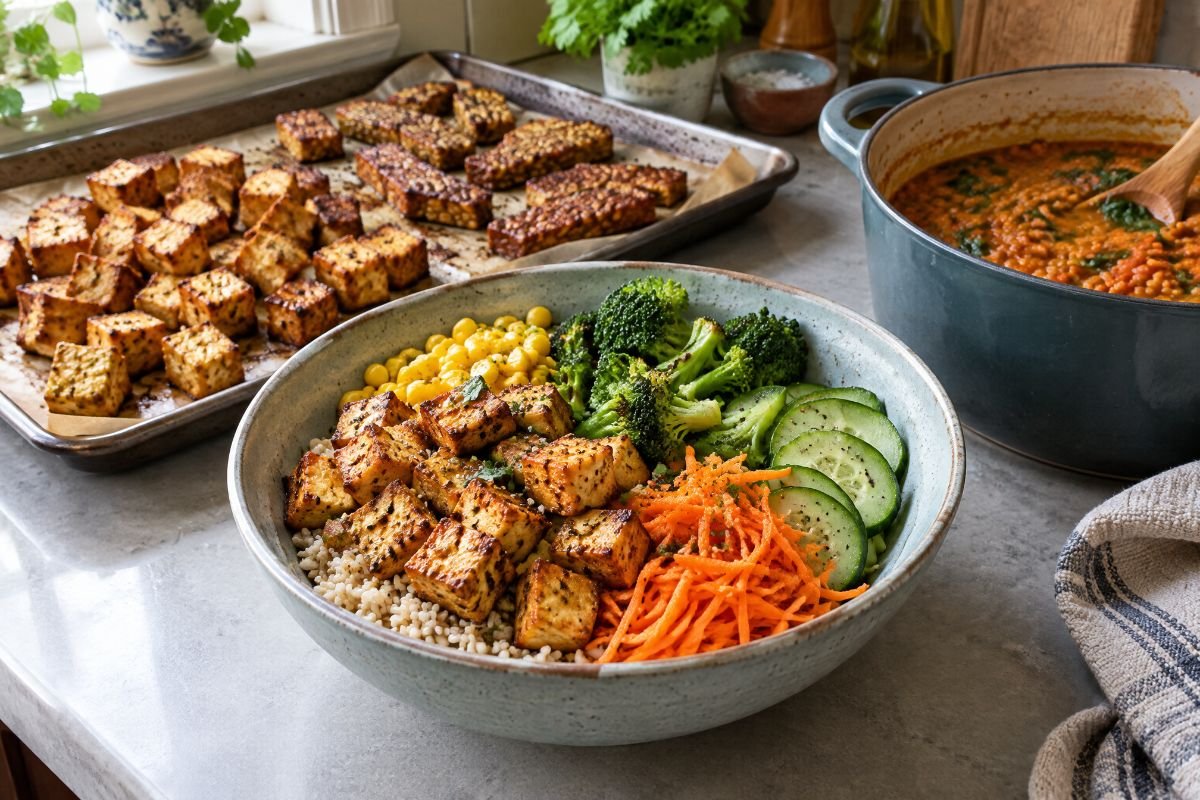 Plant-only
Vegan
Plants, in the quantity a big man actually needs.
See the plan →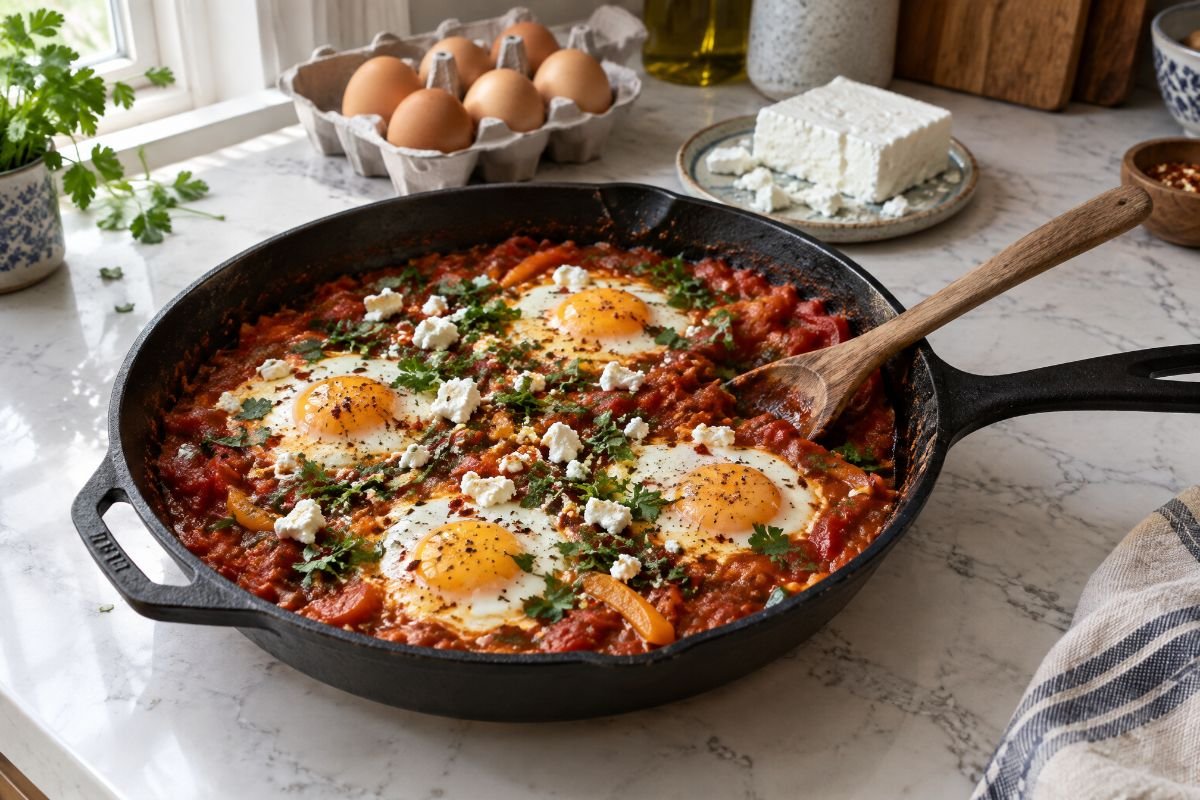 Eggs and dairy in
Vegetarian
Eggs and dairy do the heavy lifting.
See the plan →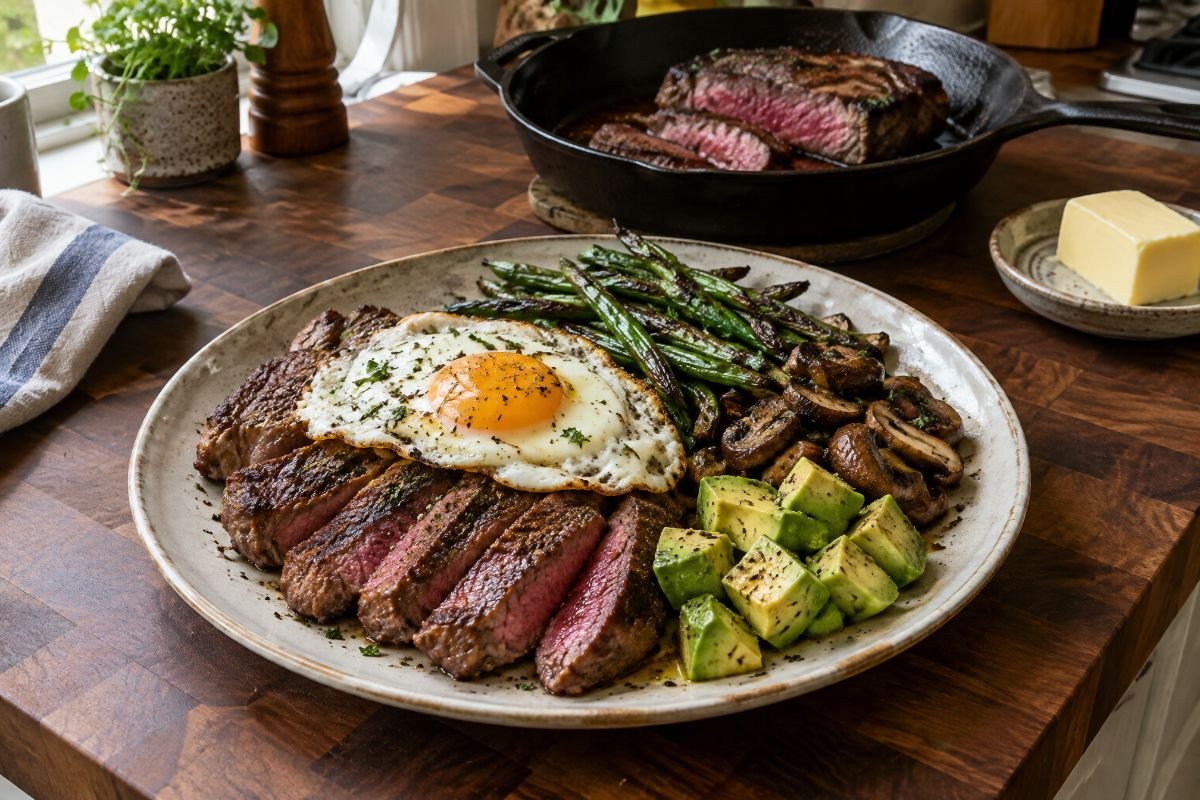 Under 30 g carbs
Keto
Fat carries the calories, protein carries the training.
See the plan →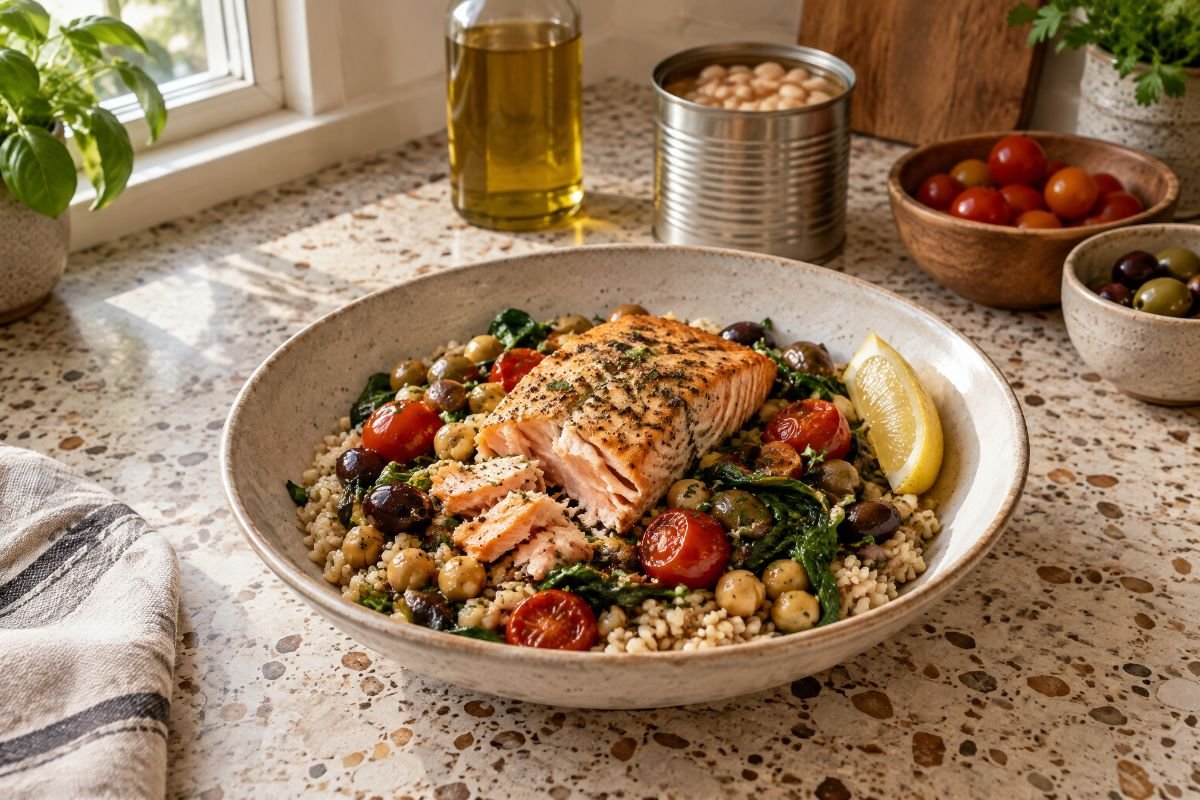 Fish, beans, olive oil
Mediterranean
The one with the research behind it.
See the plan →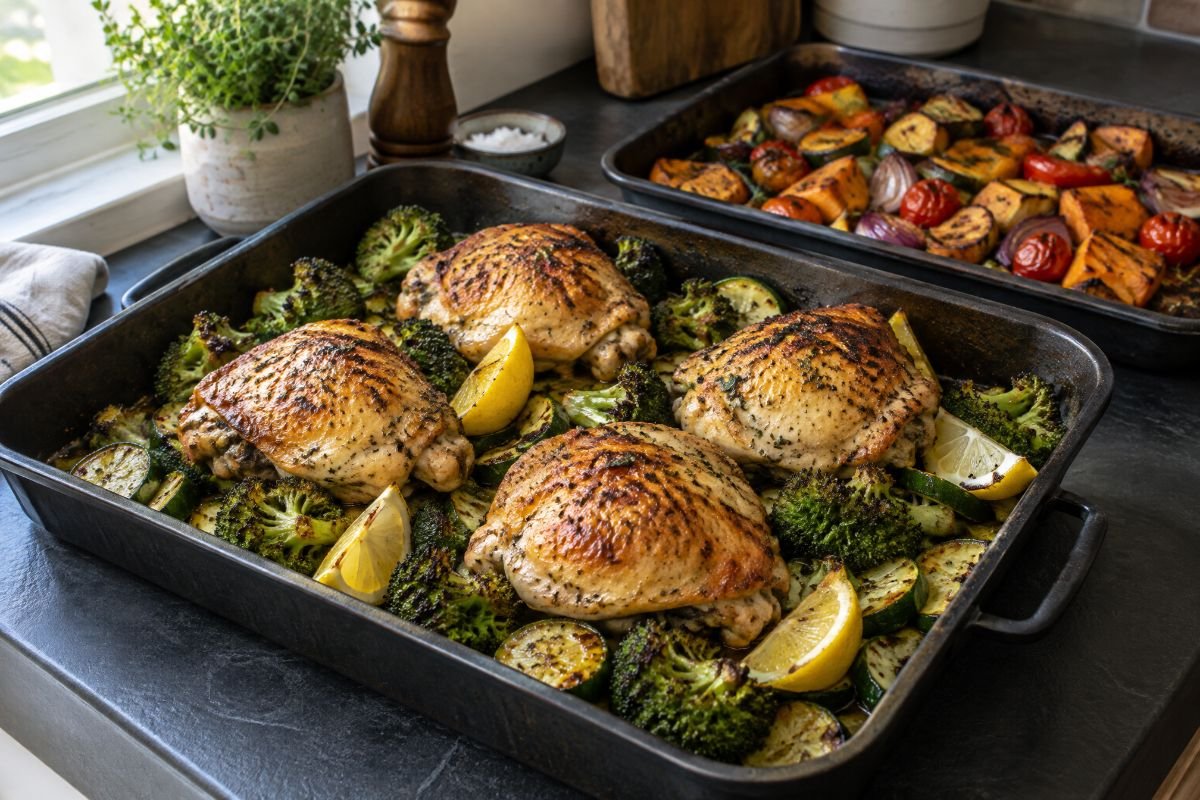 100-125 g carbs
Low carb
Keto is a cliff. This is a step..
See the plan →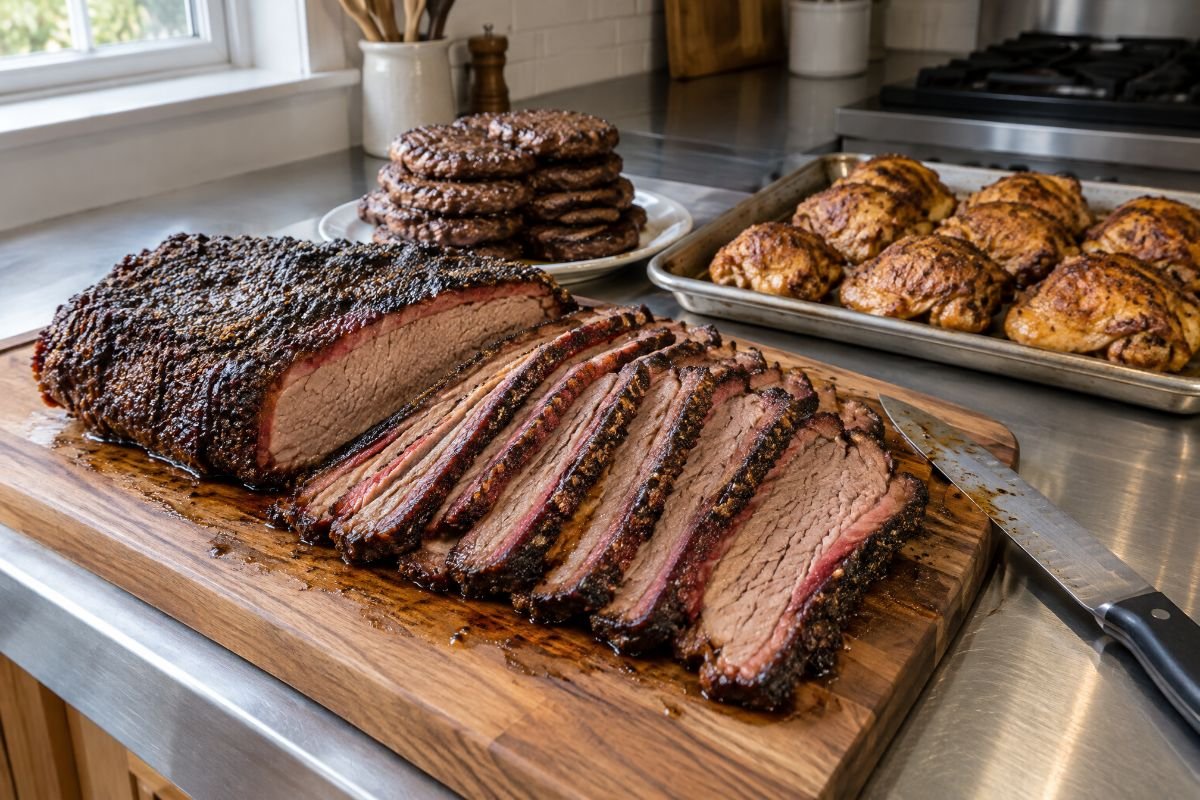 Animal foods only
All meat
The simplest plan here, and the one that needs the most honesty.
See the plan →Eating big on a budget
What protein actually costs
Every track on this site has a budget version, and they all rest on the same table. This is the retail price of nine staples against the protein each one carries, sorted by how much protein a dollar buys. It explains almost every swap we recommend.
| Item | Unit | Price | Protein | Protein per dollar |
|---|---|---|---|---|
| Dried beans, any type | per lb | $1.69 | ~98 g | 58 g |
| Chicken, fresh, whole | per lb | $2.01 | ~82 g | 41 g |
| Eggs, grade A, large | per dozen | $2.19 | ~76 g | 35 g |
| Rice, white, long grain | per lb | $1.10 | ~32 g | 29 g |
| Milk, whole, fortified | per gallon | $4.31 | ~125 g | 29 g |
| Chicken breast, boneless | per lb | $4.15 | ~105 g | 25 g |
| American processed cheese | per lb | $4.75 | ~85 g | 18 g |
| Ground beef, 100% beef | per lb | $6.89 | ~78 g | 11 g |
| Potatoes, white | per lb | $0.94 | ~9 g | 10 g |
Prices are U.S. city average retail prices published by the Bureau of Labor Statistics for July 2026, read via FRED on 3 September 2026 — each item links to its series. Protein per unit is the USDA FoodData Central value for the raw item. The last column is our own arithmetic on those two figures, rounded.
Buy the cheap column, cook the expensive one occasionally
Beans, whole chickens and eggs are two to five times more protein per dollar than ground beef. A week built on the top of that table with steak on Saturday costs half of the reverse.
Joint the bird yourself
Whole chicken was $2.01 a pound against $4.15 for boneless breast. Ten minutes with a knife, twice a week, is the best-paid work in this whole plan — and the carcass is the stock.
Dried beats canned, frozen beats fresh
Dried legumes are roughly half the price of tinned per gram of protein. Frozen vegetables are picked riper, cost less, and do not rot in the drawer while you are at work.
The bulk rule that is actually true
Buy in bulk only what you have somewhere to put and a plan to eat. Rice, oats and dried beans, yes. A ten-pound bag of anything fresh, no.
Fuel the training
The food only matters because of what you do with it. Here is the lifting side.